Table of Contents
Every person experiences pain differently. Your experience of pain and exactly how you cope with it will depend on different elements. These may include your age, previous experiences with sorrow and your spiritual or religious sights.
Awaiting sorrow means feeling depressing prior to the loss occurs. Rather than regreting for the individual, that is still with you, you might really feel pain for things you won't reach do together in the future. When encountering a considerable loss, such as the fatality of an enjoyed one, it is all-natural to really feel numerous strong feelings.
People detected with a terminal illness and those dealing with the fatality of a liked one might experience awaiting sorrow., you may experience numerous emotions including shock, worry and sadness.
The Function of IFS / Parts Work Therapy in Depression Healing
You regret lost chances or experiences you'll miss even small ones, such as the satisfaction of the sunlight or a warm mug of coffee. If somebody you like is dealing with a terminal disease, it prevails to experience awaiting pain in the months, weeks and days prior to fatality. You could regret the same points your liked one is mourning, or various losses completely.
You might feel that the person you knew is already gone, also if they are still literally there. If your loved one has a decline in physical health and wellness or movement, you could really feel anticipatory grief as you lose the opportunity to share experiences, such as leisure activities, holidays or occasions.

This is specifically real if you invest a great deal of time caring for the person. You might miss activities you used to delight in with each other and feel pain regarding the change in your relationship. The nature of your partnership may change as you take on a carer's duty, or come to be the one being taken care of.
Sensations of despair prior to fatality are regular it's essential to identify them, and to chat concerning them. Experiencing anticipatory pain does not necessarily imply that you will certainly regret your loved one any kind of less after they are gone.
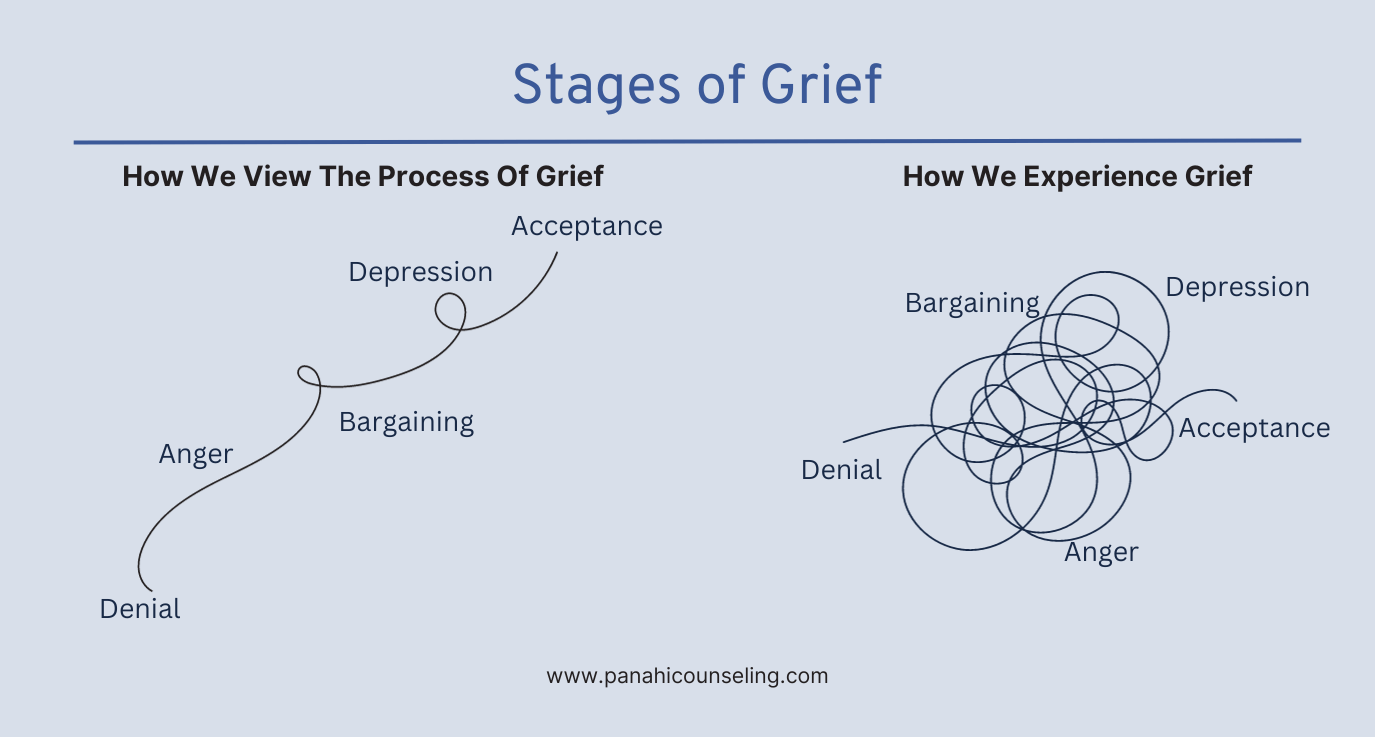
See the CareSearch web site for links to palliative care and end-of-life information in a variety of area languages. Call Carer Portal on 1800 422 737 for sources to sustain for Aboriginal and/or Torres Strait Islander carers and communities. CareSearch offers details on understanding bereavement, end of life and palliative care requirements of the LGBTIQA+ community. In truth, we do not experience feelings of grief one at a time or in a particular order. You might experience these things since they are all normal feelings of pain.
It's normal to really feel other things as well, such as shock, anxiousness, fatigue, or regret. Some people feel numb after the death of a person they cared around. They might even try to continue as though nothing has actually occurred. If you experience this, maybe due to the fact that it's simply as well unsubstantiated that the person you know so well is not returning.
The Neurological Basis of Perfectionism
Possibly they promise themselves that they will currently always do (or not do) something, thinking that it could make the person that has died come back. People might additionally locate that they keep going back over the past and ask great deals of 'what if' concerns, wanting that they can go back and change points so that they can have turned out in different ways.
These feelings can be very intense and unpleasant, and they may reoccur over many months or years. Most individuals discover that unpleasant feelings like this ended up being less strong over time. If you do not feel this is the case for you, after that you ought to request assistance.
Her design became extensively accepted as a means to understand grief, however gradually, despair counsellors and scientists expanded upon it, leading to the growth of the. This prolonged design integrates additional psychological actions that individuals might experience: The preliminary reaction to loss usually brings shock and disbelief. This stage acts as a safety mechanism, allowing us to absorb the truth of our loss in convenient doses.
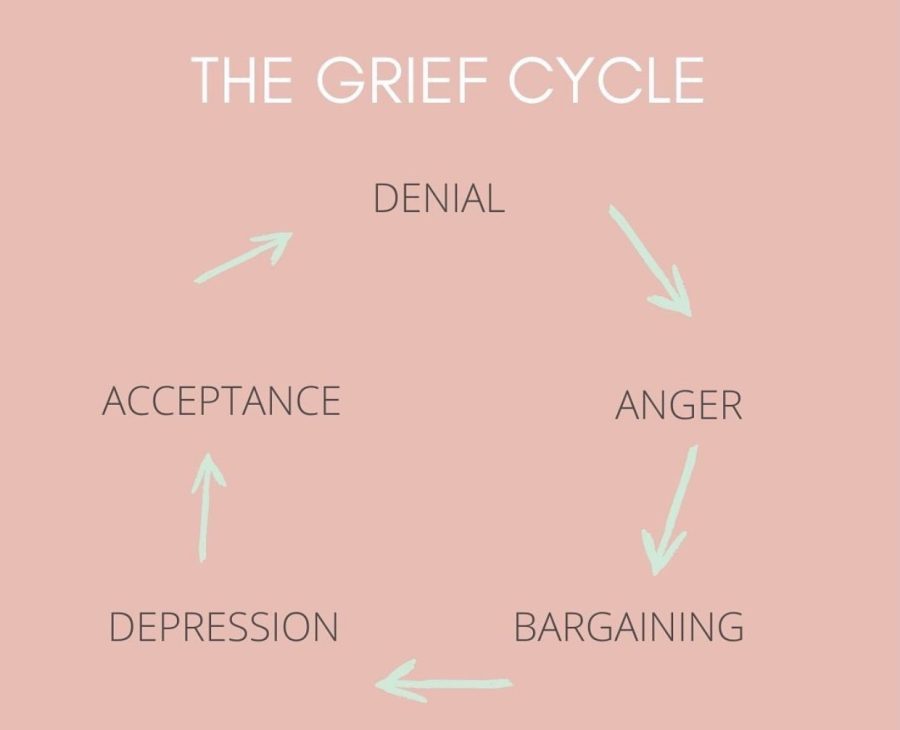
Sensations of remorse or regret may arisewondering if you might have done something in a different way, or feeling sorrow over points left unspoken. Sorrow can manifest as angertoward yourself, others, or even the individual who has passed.

Table of Contents
Latest Posts
Clinical Effectiveness of Integrated Approaches leveraging EMDR, Brainspotting, and DBT for Deep Transformation
Why Abusive Relationships Exacerbate Eating Disorders
Digital Tools for Mental Health
Navigation
Latest Posts
Clinical Effectiveness of Integrated Approaches leveraging EMDR, Brainspotting, and DBT for Deep Transformation
Why Abusive Relationships Exacerbate Eating Disorders
Digital Tools for Mental Health